AIRFLOW Teeth Cleaning Contraindications and Safety Considerations

AIRFLOW teeth cleaning is a modern professional dental hygiene technique that uses a focused spray of air, water, and fine powder to gently remove plaque and surface stains from teeth, restorations, and around dental implants. While it offers a comfortable and precise alternative to traditional cleaning methods, not every patient or clinical situation is suitable for AIRFLOW. At Blanc Dental Center, we believe in tailoring preventive care using advanced technologies such as AIRFLOW, always prioritizing patient safety and best practice through a detailed initial assessment.
The safety and effectiveness of AIRFLOW depend on a number of patient-specific factors. While most healthy individuals tolerate the procedure well, patients with certain medical or dental conditions may require alternative or modified cleaning approaches. Our dental team carefully reviews each patient’s medical history, oral health, type of restorations, and sensitivity concerns before recommending AIRFLOW cleaning. This ensures that cleaning is carried out not only effectively but safely, especially for patients with complex medical needs, dental implants, or cosmetic work.
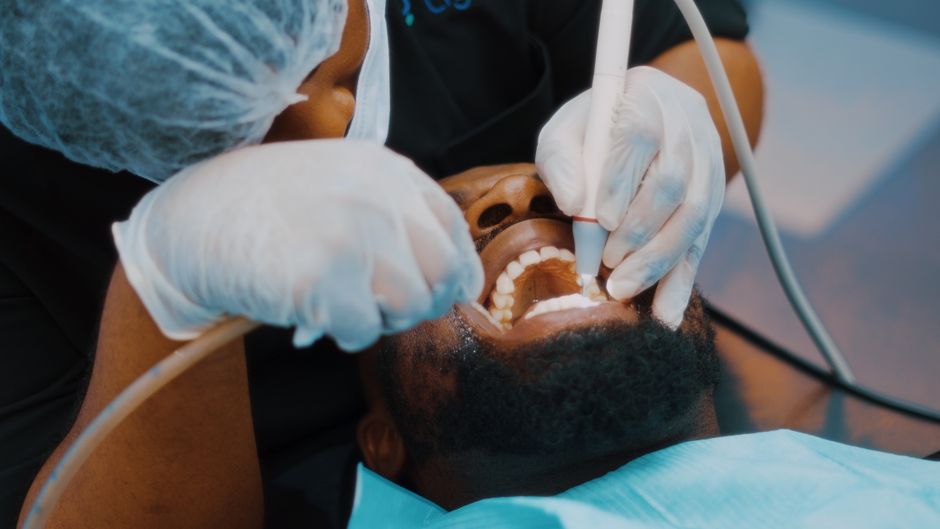
Definition: What Is AIRFLOW Teeth Cleaning?
AIRFLOW cleaning is part of Guided Biofilm Therapy, utilizing a stream of air, warm water, and specialized powder, most commonly made of erythritol or glycine, to dislodge soft plaque biofilm and extrinsic surface stains. This approach is especially valued for its minimally invasive touch, improved patient comfort, and capability to reach hidden surfaces around orthodontic brackets, dental implants, and deep grooves without causing excessive abrasion.
- Removes soft plaque and some stains gently
- Can access tight spots around braces, implant restorations, and along the gumline
- Not a direct substitute for removing hard tartar or treating advanced gum disease, where additional instruments may be necessary
Who Should NOT Receive AIRFLOW? Major Contraindications
While AIRFLOW cleaning is safe for most, specific contraindications exist that require special attention. At Blanc Dental Center, our protocol includes pre-screening for these situations during every hygiene assessment.
Medical and Dental Contraindications
- Severe or uncontrolled respiratory conditions: Patients with uncontrolled asthma, chronic obstructive pulmonary disease (COPD), or recent upper respiratory infections may be at risk due to increased aerosol generation during AIRFLOW. Always inform us of breathing difficulties, especially if you use inhalers or have experienced dental treatment reactions.
- Allergies to cleaning powders: Sensitivity to the powder itself (erythritol, sodium bicarbonate, or other ingredients), or to flavor additives, can prompt allergic or sensitivity reactions. Please provide a detailed allergy history before any cleaning.
- Active oral infections or inflamed tissues: Symptoms like severe swelling, open ulcers, acute periodontal infections, or unexplained bleeding warrant postponement of AIRFLOW until the underlying issue is managed.
- Extensive untreated cavities or weak enamel: Exposed nerves from cavities, cracked teeth, or severely weakened enamel may experience discomfort or further harm from powder air-polishing.
- Loose teeth or advanced gum disease: Deep pockets, mobile teeth, or clinical signs of severe periodontitis require specialized periodontal management before elective cleaning.
- Young children at risk of swallowing powder: Small children unable to safely control their mouth or swallowing reflex may not be ideal candidates for AIRFLOW cleaning without careful assessment and modification.
Situational Considerations
- Pregnancy: While routine professional dental hygiene is generally safe during pregnancy, the choice of powder, duration, and comfort settings may be changed for expectant mothers based on trimester and any sensitivity or gag-reflex issues.
- Recent dental surgery: Recent oral surgery sites, extractions, or healing wounds should be evaluated to avoid unwanted irritation or delayed healing.
- Dental restorations: Crowns, bridges, veneers, and fillings require specific technique and powder adjustment to protect their surfaces, particularly those that are new, temporarily cemented, or chipped.
Step-by-Step: Safety Assessment for AIRFLOW Cleaning
- Medical History Review – We document any chronic respiratory illnesses, respiratory allergies, uncontrolled diabetes, pregnancy, or immunocompromised state.
- Oral Health Evaluation – We assess for active infections, acute inflammation, large cavities, loose teeth, or advanced gum disease.
- Restoration and Implant Screening – We confirm all restoration types (implants, cosmetic work, bridges, etc.), testing compatibility with AIRFLOW powders and adjusting technique.
- Discussion of Symptoms – Any ongoing mouth pain, sensitivity, loose fillings, or active bleeding is explored prior to treatment.
- Customized Technique – Based on the findings, powder type, water temperature, spray angle, and pressure are all selected based on comfort and safety needs.
Safety Considerations During AIRFLOW Cleaning
- Adjust powder grain size and composition depending on the clinical indication: For implants, cosmetic restorations, or sensitive teeth, erythritol or glycine are preferred, due to reduced abrasiveness.
- Customize the water temperature and pressure – Particularly for exposed roots or recession.
- Use high-volume suction to control spray and minimize aerosol inhalation, protecting patient and staff alike.
- Limit or avoid AIRFLOW on newly placed dental work, fragile temporary crowns, or open wounds.
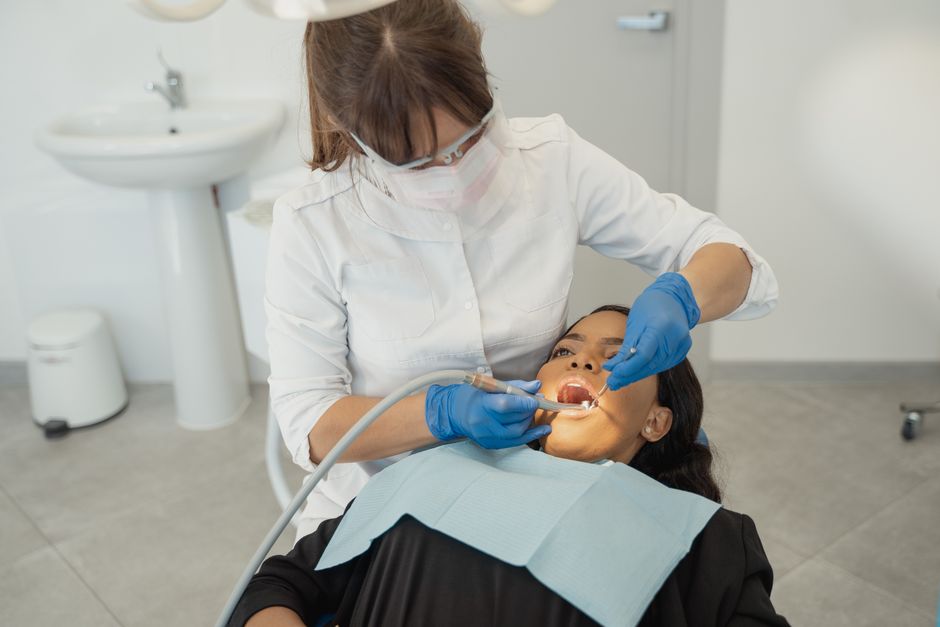
Comparing AIRFLOW to Traditional Scaling
| Cleaning Need | AIRFLOW | Scaling |
|---|---|---|
| Biofilm and extrinsic stains | Highly effective | May be less effective for surface stain |
| Hardened tartar (calculus) | Not a replacement | Designed for tartar removal |
| Implants and restorations | Safe with correct powder and technique | Requires instrument with appropriate tip to avoid scratching |
| Sensitive areas/comfort | Settings can be individualized | May cause sensitivity depending on method |
| Deep pocket debridement | Can assist, not a replacement | Preferred method, sometimes with adjunct therapy |
At Blanc Dental Center, we frequently combine AIRFLOW with conventional cleaning during complex cases, especially for implant maintenance and restoration after gum disease. To learn more about the difference between periodontal maintenance and routine cleaning, see our blog Periodontal Maintenance: Why It Is Different From a Routine Cleaning.
Post-Treatment: What to Expect After AIRFLOW Cleaning
- Mild gum tenderness, slight temporary sensitivity, or a gritty sensation, which resolve in most cases within 24 to 48 hours.
- If you notice severe/changing pain, persistent bleeding or swelling, or fever after cleaning, notify your dental provider promptly.
- You may be instructed for a few hours post-visit to temporarily avoid foods or beverages high in pigments (coffee, tea, red wine, berries) to maximize anti-stain effects.
- Continue gentle brushing with a soft brush and daily interdental cleaning.
Best Practices: Making Your AIRFLOW Visit Safe and Effective
- Share a detailed medical and dental history before your appointment, including medication use, allergies, and previous dental work.
- Report any history of respiratory conditions (asthma, COPD, persistent coughs, or infections).
- Tell us about recent restorations, orthodontics, crowns, bridges, implants, or cosmetic procedures.
- Alert the dental team to active symptoms such as loose teeth, ongoing mouth sores, unusual gum bleeding, or swelling.
- If you’re pregnant or have recently undergone dental surgery, highlight this at scheduling and at the start of your visit.
- Follow individualized instructions and ask which AIRFLOW powder will be used (erythritol, glycine, sodium bicarbonate, etc.). Not all are suited to every situation.
Frequently Asked Questions About AIRFLOW and Safety
Can AIRFLOW remove all tartar from teeth?
No. AIRFLOW is most effective for biofilm and surface staining, but not for removal of hardened tartar. If heavy tartar is present, your cleaning will be combined with scaling. For advanced gum disease, you may require a specialized plan. For more about deep cleaning procedures, visit our guide: Deep Dental Cleaning for Gum Pockets: What Happens During Treatment.
Is AIRFLOW recommended for patients with sensitive teeth?
It often can be provided safely by using a low-abrasive powder and lowering pressure, but exposed root surfaces or severe sensitivity require extra care—sometimes reducing exposure or using desensitizing agents after cleaning. Always alert your provider if you experience discomfort during previous hygiene visits.
Does AIRFLOW whiten my teeth?
AIRFLOW can remove many types of external stains, producing a visibly cleaner and brighter appearance, but it does not whiten teeth in the same sense as professional bleaching. For intrinsic whitening options, see this in-depth guide to professional whitening in Montreal.
Is AIRFLOW safe for dental implants and cosmetic restorations?
Yes, when performed by experienced professionals at Blanc Dental Center, using the correct powder and technique, AIRFLOW is safe and effective for cleaning around implant-supported crowns, veneers, bridges, and orthodontic appliances. The material, age, and condition of each restoration will determine approach. Never hesitate to share details regarding your dental work prior to cleaning.
Can I book an AIRFLOW cleaning appointment if I have gum disease?
If you have signs of gum disease—bleeding, gum recession, loose teeth—request a full dental evaluation first. AIRFLOW can be an adjunct to your hygiene program, but it doesn’t replace the need for periodontal therapy when there’s active disease.
How often should I get AIRFLOW cleaning?
For most people with low risk, annual cleaning is usually sufficient. For those with dental implants, frequent build-up, or gum disease, visits every 3-4 months might be suggested. Your provider at Blanc Dental Center will personalize this interval based on your risk and oral hygiene habits.
Contact and Individualized Care at Blanc Dental Center
Modern preventive dentistry at Blanc Dental Center starts with a comprehensive assessment to determine the safest and most effective hygiene plan for every individual. We regularly integrate AIRFLOW cleaning for patients across Montreal, including those with dental implants, sensitive teeth, orthodontics, and advanced restorations.
With two locations—4215 Rue Saint-Jacques and 5001 Rue Jean-Talon O, both offering free parking and flexible scheduling—our clinics are equipped with the latest dental technology for comfort and precision. We invite you to reach out to our team if you have questions about AIRFLOW, need a thorough preventive plan, or want tailored oral hygiene advice for your unique needs.

To book your next hygiene visit or AIRFLOW assessment, or to learn more about advanced dental care and prevention in Montreal, visit Blanc Dental Center. Our team of experienced dentists and hygienists will help you experience the benefits of individualized dental care using today’s most trusted technology.