Root Canal Retreatment and Apicoectomy: When Each May Be Considered

For patients with a previously treated tooth that becomes symptomatic or shows signs of persistent infection, the main clinical choices are often root canal retreatment or apicoectomy. Root canal retreatment is generally considered when the source of the problem is within the internal canal system, while apicoectomy—a surgical procedure targeting the root tip—is typically reserved for instances when conventional retreatment is not feasible or has already failed. At Blanc Dental Center in Montreal, our experienced team takes a comprehensive, evidence-based approach to determine which option is most appropriate for saving your natural tooth and ensuring your long-term oral health.
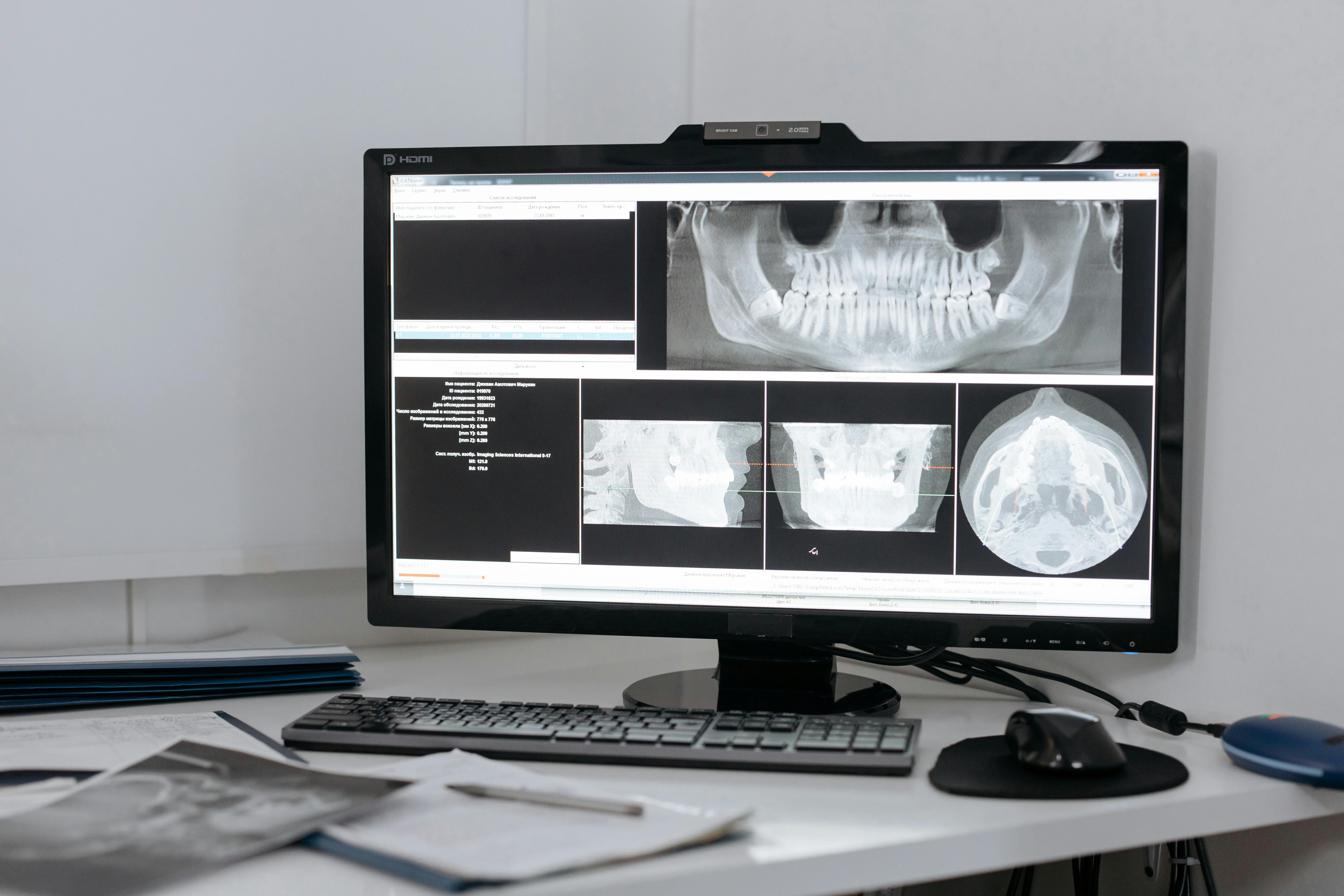
Early and accurate diagnosis is essential. If you notice recurring pain, swelling, or a gum bump near a tooth with a prior root canal, it is important to seek prompt evaluation. We combine clinical expertise with advanced diagnostics—including digital X-rays, CBCT 3D imaging, and careful clinical assessment—to guide patients through the decision-making process.

Definition: Root Canal Retreatment and Apicoectomy
- Root Canal Retreatment: A procedure to re-clean and reseal the internal root canal system of a tooth that previously received root canal therapy but has not healed fully, has become re-infected, or developed new problems.
- Apicoectomy: A microsurgical treatment, also called endodontic surgery, involving the removal of the infected root tip (apex) and surrounding tissue through a minor surgical approach, typically used when retreatment is not viable.
When Each Treatment Is Considered
When to Consider Root Canal Retreatment
Retreatment is often recommended as the first approach if:
- There is evidence of ongoing infection or pain—often swelling, tenderness to biting, or a recurring gum nodule—after an initial root canal.
- Radiographs (X-rays or CBCT) show a persistent or enlarging lesion around the tooth’s root tip.
- New decay, a leaking filling, or crown allows bacteria to re-enter the previously treated tooth.
- The original procedure missed canals, left infected tissue, or was compromised by complex anatomy.
- There has been dental trauma or a cracked restoration disturbing the canal seal.
This approach attempts to correct the internal cause. At Blanc Dental Center, our dentists use enhanced visualization such as operating microscopes and digital imaging to identify complex root canal systems and ensure thorough cleaning and sealing. Learn more about when a crown is often recommended after root canal.
When to Consider Apicoectomy
An apicoectomy is generally considered in these situations:
- Retreatment was already attempted but infection or symptoms persist at the root tip.
- Internal access to the root canal is blocked by posts, restorations, or complex anatomy that would make retreatment impractical or risky.
- The problem is highly localized at the root apex, and surgery provides direct access.
- There is a persistent apical lesion not resolved by root canal retreatment.
This procedure removes only the infected part outside the tooth, without reopening or removing existing crowns or posts unless absolutely needed.
Step-by-Step Explanation: How Dentists Decide
- Symptom Review: Assess for pain, swelling, tenderness on biting, or presence of a gum bump (sinus tract).
- Clinical Examination: Look for leakage around fillings/crowns, new caries, or mobility.
- Imaging: Use digital X-rays and CBCT to evaluate bone changes, root anatomy, missed canals, and extent of infection.
- Restorability: Determine if the tooth can be predictably rebuilt after further treatment. If the root is fractured or the tooth is structurally unsalvageable, extraction may be required.
- Treatment Planning: Discuss with the patient if the internal approach (retreatment) or surgical approach (apicoectomy) is more likely to resolve the problem. If both are unsuitable, discuss tooth replacement options such as dental implants or bridges.
Comparison Table: Retreatment vs Apicoectomy
| Factor | Root Canal Retreatment | Apicoectomy |
|---|---|---|
| Main purpose | Re-clean and reseal the internal canal system | Remove infected root tip and surrounding tissue |
| Best for | Persistent internal infection, missed canals, leakage, new decay | Persistent apical infection despite retreatment, blocked access, complex anatomy |
| Limitations | Not feasible with root fracture or severe structural loss | Does not address problems along the full root canal length if source is internal |
| Approach | Non-surgical, performed internally | Surgical, performed through the gum |
When Neither Option Is Ideal
Sometimes, structural issues such as vertical root fracture, severely shortened root, or insufficient residual tooth make both retreatment and apicoectomy unreliable. In those cases, extraction followed by replacement options like dental implants may be more predictable for long-term results. If you are considering future implant solutions, our team at Blanc Dental Center coordinates both endodontic and implant planning under one roof in Montreal—see also our discussion on dental implant components and comprehensive implant planning.
Best Practices for Evaluation and Treatment
- Have any new pain, swelling, or bumps examined promptly—delaying care increases risk of bone loss and reduces chances of tooth preservation.
- Choose a team skilled in both endodontics (retreatment, apicoectomy) and restorative care to ensure all treatment options are considered.
- Advanced diagnostics—including dental microscope use, CBCT, and digital X-rays—should guide decision-making.
- If tooth preservation is uncertain, discuss future replacement options early, especially if you may need a dental implant.
- Request transparency regarding prognosis, risks, and follow-up, as outcomes can vary depending on tooth structure and infection severity.
- For Montreal-area patients, choose a clinic like Blanc Dental Center with in-house access to both endodontic and implant therapies and a consultative, team-based approach.

Frequently Asked Questions
Can a root canal be retreated more than once?
It is possible to retreat a root canal more than once, but the success rate typically drops after the first retreatment. If prior retreatments have not resolved the issue, apicoectomy or extraction may be more appropriate.
Is apicoectomy better than retreatment?
Not necessarily. Retreatment is usually the preferred first option, as it addresses infection within the full canal system. Apicoectomy is considered when retreatment is not possible or not successful.
What symptoms signal a root canal problem?
Persistent pain, swelling, tenderness when biting, visible gum nodule or bump, sinus tract, or a recurrence of symptoms after an initial root canal all warrant prompt evaluation.
Is it always possible to save a tooth with these treatments?
No. If a vertical root fracture or extensive structural damage exists, the prognosis for saving the tooth drops significantly. Replacement options such as dental implants should be considered.
How is the decision made at Blanc Dental Center?
Our team reviews your medical history, performs a detailed clinical and radiographic examination, and discusses all options and their risks before forming a treatment plan. We combine advanced technology with personalized care.
What if I need a second opinion in Montreal?
We welcome patients seeking second opinions and offer clear explanations and transparent recommendations based on your unique situation.
Conclusion
When a tooth with a previous root canal shows signs of persistent infection, selecting the best approach—retreatment, apicoectomy, or sometimes extraction and replacement—requires careful expert evaluation. At Blanc Dental Center, our dentists combine advanced imaging, modern endodontic and surgical techniques, and restorative expertise to offer truly comprehensive decision-making and care for Montreal and the surrounding communities. For anyone experiencing ongoing tooth pain or swelling after a root canal, we encourage prompt examination and open discussion about all available options for lasting health and comfort.
To learn more or request a thorough assessment, visit Blanc Dental Center or contact us to schedule a consultation at either of our Montreal clinics.