Bleeding Gums After Brushing: When It Is More Than Brushing Too Hard
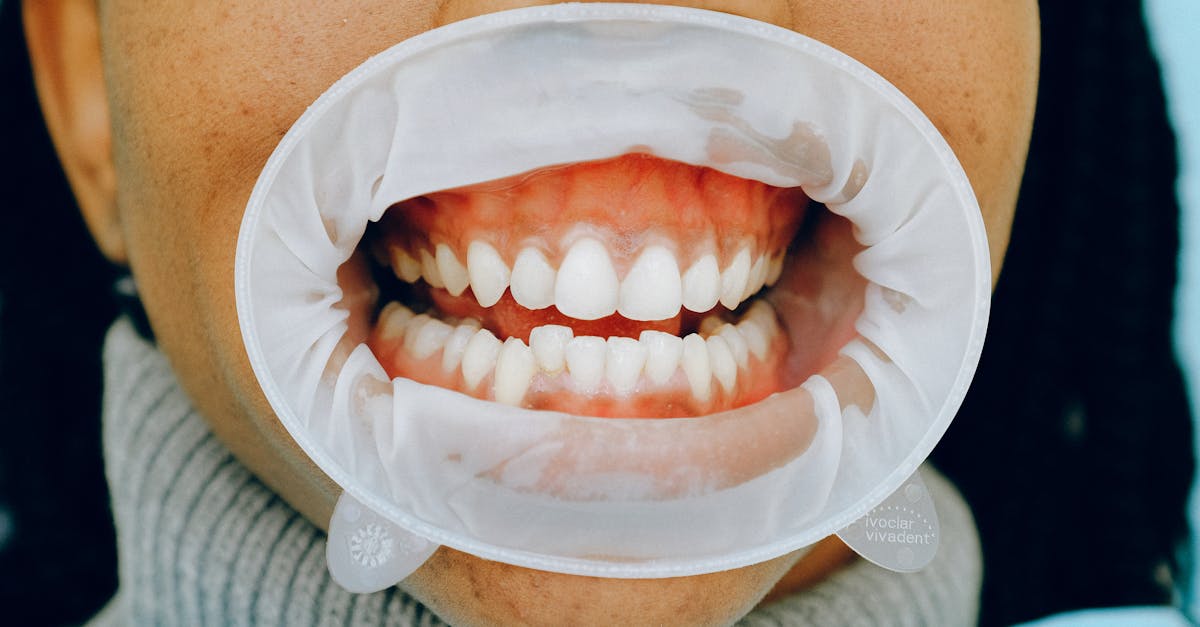
Seeing blood in the sink after brushing or flossing can be alarming. While many assume they are brushing too hard, persistent gum bleeding nearly always signals an underlying issue that demands attention. According to current dental evidence and our daily clinical experience at Blanc Dental Center, most cases are not simply a matter of technique — bleeding gums are often the earliest and most visible warning sign of inflammation or gum disease that should not be ignored.
What Does Bleeding Gums After Brushing Really Mean?
Infrequent bleeding after vigorous brushing or switching to a harder toothbrush may result from mechanical irritation. However, if you notice blood every day, or your gums seem red, swollen, or tender, this is almost always a symptom of inflammation such as gingivitis or periodontitis. Gum disease can develop silently long before pain or damage becomes noticeable and, if left untreated, may lead to bone loss and even tooth loss.
At Blanc Dental Center, we emphasize that healthy gums should not bleed with routine home care. The first priority is to determine whether the bleeding is from brushing technique or a deeper oral health issue.
Definition: What Are Bleeding Gums?
Bleeding gums refer to blood that appears on your toothbrush, floss, or in the sink during or after oral hygiene activities. It may also be noticed when eating tough foods or, in advanced cases, may occur spontaneously. Chronic bleeding, especially accompanied by swelling, redness, or bad breath, is a hallmark of gum inflammation.
Main Causes of Bleeding Gums After Brushing
- Gingivitis: The earliest stage of gum disease. Caused by plaque accumulation, gingivitis often makes gums bleed easily.
- Periodontitis: A more advanced stage where inflammation extends deep into supporting structures. Bleeding becomes regular, and gums may recede or teeth feel loose.
- Brushing Technique: Occasionally, using a hard-bristle toothbrush or scrubbing too aggressively can cause mild, temporary bleeding in healthy gums.
- Other Contributors: New flossing habits, certain medications, trauma, vitamin deficiencies, diabetes, and local injuries can also increase bleeding.
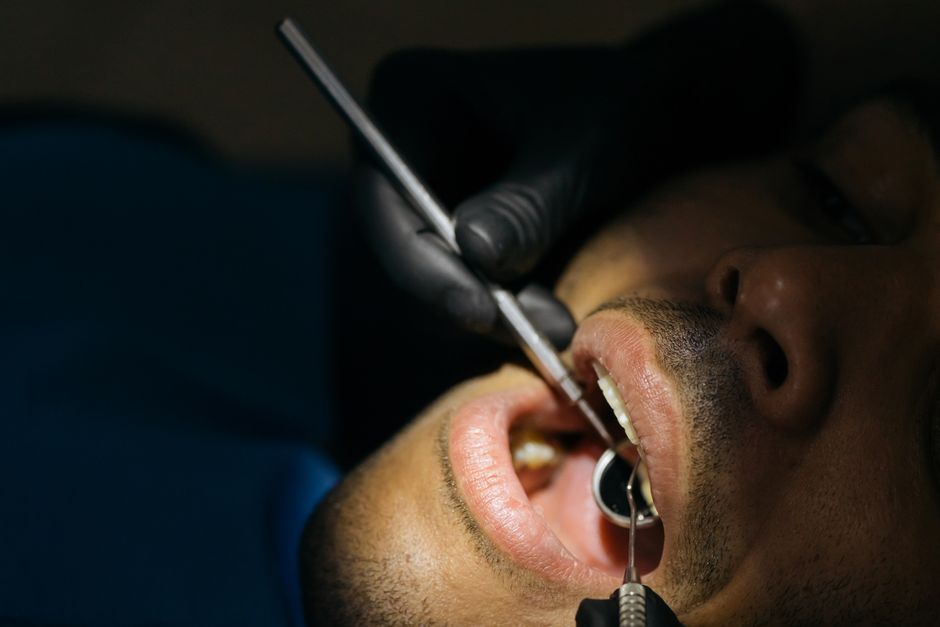
When Is It Just Brushing, and When Is It More?
Signs Bleeding Is from Brushing Too Hard
- Bleeding is occasional and occurs only after vigorous brushing or with a new hard-bristle brush
- No other symptoms: gums remain pink, firm, and painless
Signs It Is More Than Brushing Technique
- Bleeding happens nearly every day
- Gums are red, swollen, shiny, or tender
- Persistent bad breath (halitosis)
- Teeth appear longer (gum recession) or feel loose
- Pus, pain on chewing, or spontaneous bleeding
Our Clinical Experience in Montreal: Local Trends and Risks
At Blanc Dental Center, serving communities across Montreal including Saint Laurent, Côte-des-Neiges, Westmount, Hampstead, and Notre-Dame-de-Grâce, we observe that delayed dental visits or stress often lead to the neglect of daily hygiene, which contributes to plaque buildup and bleeding gums. Patients often purchase hard brushes, believing they clean better, but actually increase the risk for tissue damage and overlook inflammation as the true cause.
Step-by-Step: What to Do if Your Gums Bleed After Brushing
- Do Not Stop Brushing: Continue daily brushing but use a soft or ultra-soft toothbrush. Clean gently in small circular motions angled at 45 degrees to the gumline.
- Add Interdental Cleaning: Use floss or interdental brushes once daily. Some initial bleeding is common if plaque and tartar already exist between teeth.
- Use Alcohol-Free Antiseptic Mouthwash: Rinse daily (preferably at night). This can reduce bacteria and support healing. Ask your dentist for recommendations tailored to your situation.
- Follow the "7 Day Rule": If you faithfully follow a gentle but thorough hygiene routine for a full week and gums still bleed, book a visit with your dentist. The 7-day rule is a simple, practical self-test: improvement means gingivitis was likely and your technique is effective; persistent bleeding needs a professional checkup.
- Schedule Professional Evaluation: At Blanc Dental Center, a complete examination can pinpoint the cause, measure gum health, and set up a personal care plan. Advanced technology (such as digital X-rays and Guided Biofilm Therapy) helps us provide clear answers and effective treatment for each individual.
How Dentists Evaluate Bleeding Gums
During your appointment at Blanc Dental Center, our team will:
- Assess gum color, texture, contour, and bleeding response
- Measure pocket depths around each tooth (periodontal charting)
- Check for plaque and tartar buildup, recession, and signs of infection
- Recommend digital radiographs if needed to evaluate bone support
The goal is to distinguish between reversible gingivitis and more advanced periodontitis, which may require a more structured, ongoing intervention.

Treatment Framework at Blanc Dental Center
For Gingivitis
- Professional cleaning to remove plaque and tartar from above and below the gumline
- Personalized guidance on brushing and interdental cleaning, demonstrated in the clinic
- Use of antimicrobial rinses as indicated
Most patients improve dramatically within 7–14 days with this integrated approach, as bleeding and inflammation resolve with consistent oral care.
For Periodontitis
- Scaling and root planing (deep cleaning) to thoroughly remove all bacterial deposits
- Regular periodontal maintenance visits every 3–4 months where required
- Adjunctive therapies or specialist referral for advanced cases, when necessary
We use magnification and imaging technology for precise care, and our clinicians work closely as a team to restore gum health and prevent tooth loss.
How Bleeding Gums Affect Dental Implants
An essential point for our patients: bleeding around dental implants is as important as for natural teeth. Early stage inflammation (peri-implant mucositis) is reversible with prompt attention, but untreated, it can progress to peri-implantitis, resulting in bone loss around the implant. Our clinicians carefully monitor and maintain implant health at every check-up.
If you already have dental implants and detect bleeding when brushing, contact us promptly for advice and evaluation.
Best Practices: Daily Routine for Healthy Gums
- Use a soft-bristle toothbrush, replaced every 3 months or sooner as needed
- Brush morning and night for a full 2 minutes with gentle, circular motions
- Floss or use interdental brushes daily, especially before bed
- Rinse with alcohol-free mouthwash if recommended by your dentist
- Apply the 7-day rule — if bleeding persists after a week of optimal home care, seek a dental evaluation
Expert Guidance and Prevention
As leaders in modern dental care and patient education across Montreal, Blanc Dental Center integrates detailed technology, photography, and transparent communication to help patients understand their gum health. Our values of teamwork, mentorship, and ongoing training ensure every patient receives individualized recommendations that fit their unique needs. To delve further into gum shape and its impact on your smile, consider reading our post on gum shape and smile design.
FAQ: Bleeding Gums and Gum Disease in Montreal
Do I really need to worry if my gums only bleed sometimes?
Occasional bleeding after rough brushing or when you first start flossing can be normal. Persistent or recurrent bleeding almost always points to gum inflammation. Monitor for other symptoms like swelling or bad breath, and use the 7-day rule.
Should I brush harder if my gums bleed?
No. Use a soft-bristle brush and gentle technique. Brushing harder often worsens gum trauma and delays healing.
Can I wait for pain before seeing a dentist?
No. Gum disease is commonly painless until late stages. Bleeding is often the first and only warning sign. Early care prevents irreversible damage.
Are bleeding gums a reason to avoid oral hygiene?
Absolutely not. Continue brushing and flossing gently. Never avoid cleaning an area that bleeds — that encourages more plaque and makes inflammation worse.
Is a dental cleaning really needed if I have no pain?
Yes, especially if bleeding persists beyond a week of careful home care. Professional cleaning removes tartar you cannot reach at home and is essential in reversing early gum disease.
When does bleeding gums become an emergency?
If you have heavy, spontaneous bleeding, severe pain, marked swelling, or notice pus or teeth loosening, this may indicate advanced periodontitis and requires urgent dental evaluation.
What to Expect at Your Appointment
- Full review of your oral and medical history, including any medications
- Comprehensive examination of teeth and gums
- Digital X-rays or panoramic imaging if needed for diagnostics
- Clear discussion of findings, with intraoral photographs and a step-by-step plan
- Transparent communication about prognosis, costs, and continuing care
Our practices at 4215 Rue Saint-Jacques and 5001 Rue Jean-Talon Ouest are easily accessible and offer free parking for your convenience. You can book an appointment for a full exam, consultation, or cleaning through our website or by calling either location. We welcome both new and returning patients with concerns about gum health and are committed to providing lasting solutions.
If you are worried about bleeding gums, do not "brush softer and hope it goes away." Consistent, gentle hygiene and timely professional evaluation are key to protecting your teeth and preserving your smile for the long term. Blanc Dental Center stands as Montreal’s trusted authority — let our experienced team guide you back to healthy, confident oral health.